


What are the disadvantages of rock wool?
2025-12-26
These customers often ask, while torn between glass wool and rock wool: "Does rock wool really have any drawbacks?"
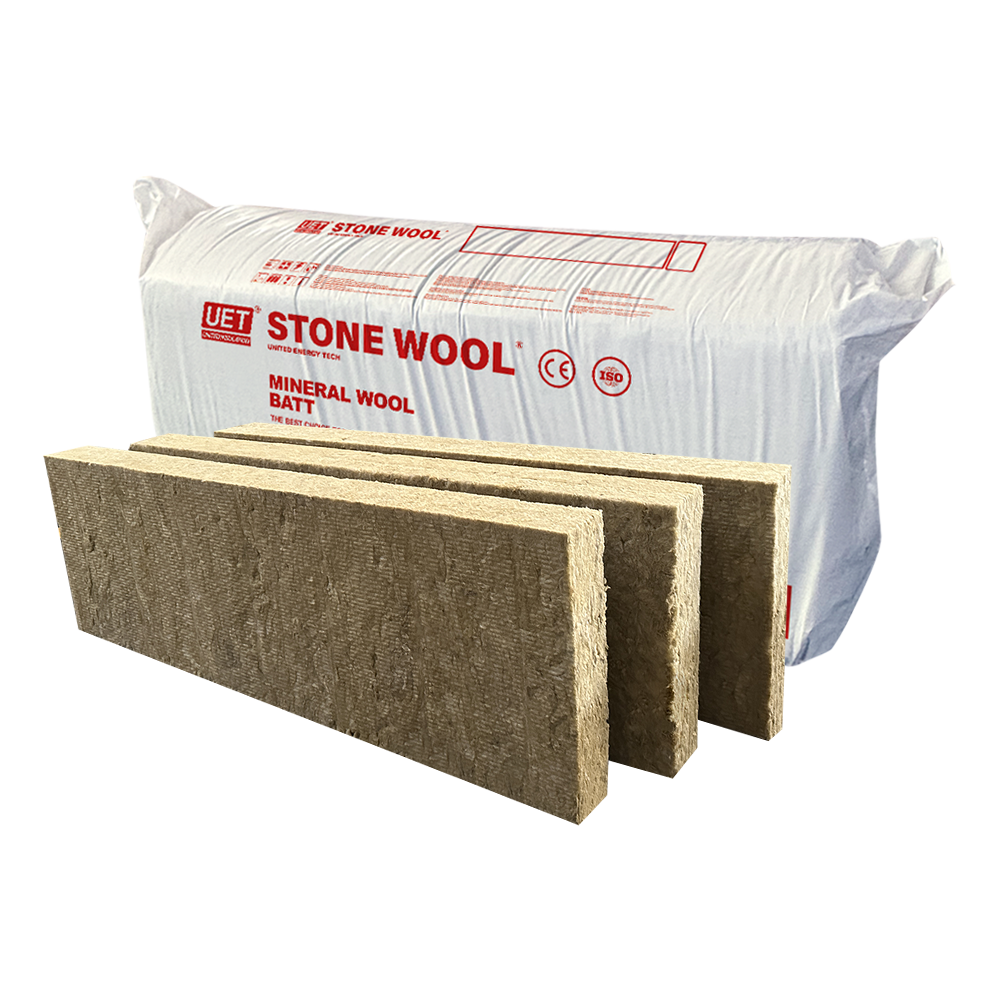
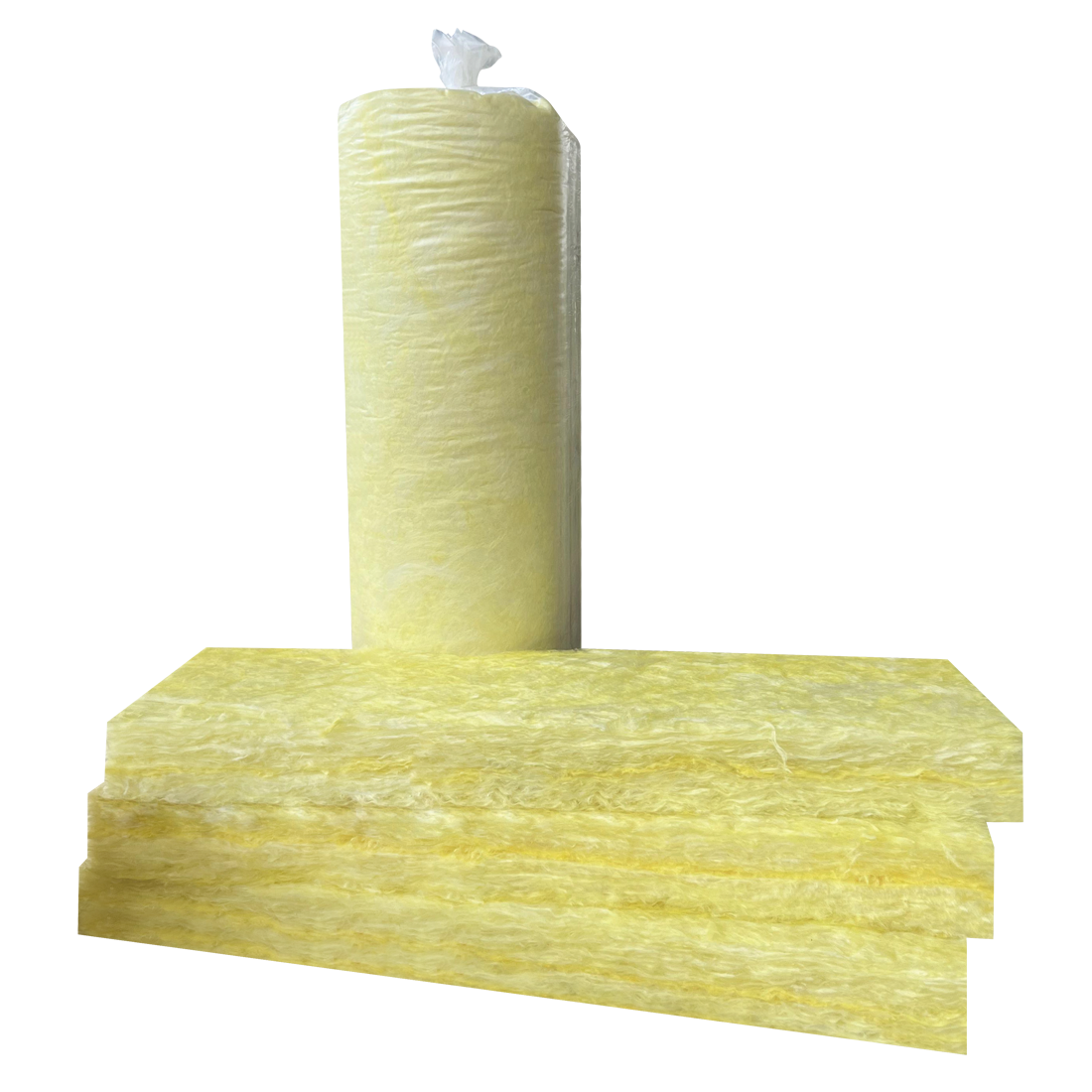
United Insulation says frankly: Rock wool is an excellent A1 non-combustible insulation material, but it does have the following four main disadvantages:
1.Heavier and harder than glass wool:
At the same density, rock wool is about 30-50% heavier, meaning higher transportation and handling costs; the boards are harder, producing slightly more dust during cutting, and it does not feel as soft as glass wool.
2.Slightly stronger short-term irritation:
New rock wool fibers are a little thicker and shorter compared to modern glass wool. Without gloves and masks during construction, it would cause more noticeable skin itching and throat discomfort, although still mechanical irritation, not chemical toxicity, which disappears after rinsing with cold water.
3.Slower drying speed after water absorption than glass wool:
Though it also contains the water-repellent agent, the water repellency ≥ 98%, the surface of the rock wool fibers contains more micropores. After the infiltration of water in an accident, drainage and natural drying are a bit slower, and waterproofing needs to be paid more attention to.
4.Rock wool is generally 15~40% higher in price than glass wool.
Due to the basalt raw material and energy consumption of a 1600 ℃ furnace, its overall cost for the same thickness is higher. It's mainly used in projects with very high non-combustible requirements, like airports, subways, passive houses, fireproof steel structures.
However, it is just these disadvantages that have illustrated the ultimate non-combustibility of rock wool: melting point greater than 1000℃, Grade A1; its fire-resistance property is far above all organic materials and glass wool.
United Insulation reminds you:
- For ordinary residential buildings with limited budgets, glass wool is the first choice because of its higher cost-effectiveness.
- While for high-rise buildings, public buildings, steel structures, and fireproof partitions, rock wool is indispensable.
We provide zero-formaldehyde glass wool with a CE certification and A1 rock wool for a one-stop selection of the most suitable product!
Do you need rock wool boards, strips, pipes, or hybrid solutions combining rock wool and glass wool? Contact United Insulation—no hard selling, just right solutions!
Related Blog
United Insulation's complete range of rock wool products has officially passed FM certification to become one of the few rock wool brands in China that have obtained the topmost fire protection insurance certification

Is rockwool better than foam?
Are there health risks with Rockwool? Professional Analysis and Protection Guide
United Insulation Glass Wool and Rock Wool Products Officially Receive USGBC Certification, Becoming China's First Supplier of Full-Line Insulation Materials to Contribute High Scores to LEED v4.1 Qualifications
United Insulation's complete range of rock wool products has officially passed FM certification to become one of the few rock wool brands in China that have obtained the topmost fire protection insurance certification
Is rockwool better than foam?
Are there health risks with Rockwool? Professional Analysis and Protection Guide
United Insulation Glass Wool and Rock Wool Products Officially Receive USGBC Certification, Becoming China's First Supplier of Full-Line Insulation Materials to Contribute High Scores to LEED v4.1 Qualifications
contact us