


2025 Global Building Energy Efficiency Policies: Key Insights and Rock Wool Insulation Strategies
2025-12-03
As 2025 comes to a close, global building energy efficiency policies are accelerating rapidly. According to the latest International Energy Agency (IEA) report, energy intensity improvement reached 1.8% this year—a notable increase, yet still falling short of the doubling required by 2030. The construction sector, responsible for 30% of global final energy consumption, now faces significant challenges and opportunities in the push toward decarbonization. Are you ready to meet the new building energy efficiency standards?
This article provides an in-depth interpretation of 2025 energy efficiency policies worldwide and highlights sustainable rock wool insulation solutions for external wall insulation systems, helping industry professionals optimize projects and advance the green energy transition.
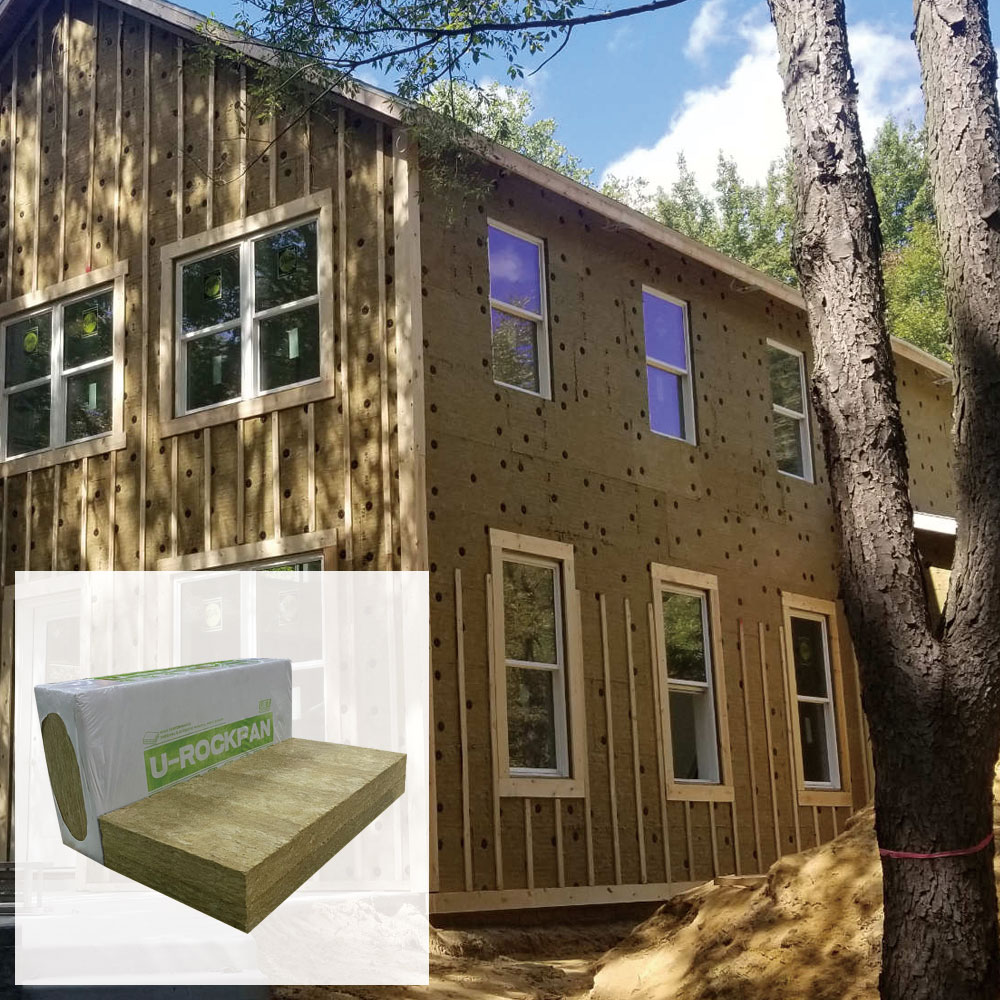
Industry Trends: Policy Upgrades Driving Building Decarbonization
In 2025, building energy efficiency regulations across regions have entered a crucial implementation phase:
- EU EPBD Revisions: The updated Energy Performance of Buildings Directive phases out subsidies for standalone fossil fuel boilers, mandates zero-emission standards for new public buildings from 2028, and extends this to all new buildings from 2030. Enhanced renovation rates, improved energy performance certificates, and lifecycle carbon tracking are fueling demand for high-performance insulation materials.
- China Near-Zero Energy Buildings: Under the 14th Five-Year Plan for Building Energy Conservation and Green Building Development, more than 50 million square meters of new urban constructions must achieve near-zero energy standards by 2025. China's stepwise approach—ultra-low energy → near-zero → zero-energy buildings—supports national dual-carbon goals.
- Global Consensus: The IEA's Energy Efficiency 2025 report urges doubling renovation rates and expanding building energy codes. The UN Environment Programme's 2024/2025 Global Status Report stresses standardized codes, low-carbon materials, and green financing.
These policies share a common focus: reducing heat loss through superior building insulation, retrofitting, and renewable integration to reach net-zero emissions.
Sustainable Solutions: Outstanding Benefits of Rock Wool Insulation in External Wall Systems
Rock wool insulation (also known as mineral wool insulation) stands out as one of the most effective materials for complying with stringent 2025 energy efficiency requirements, thanks to its superior properties:
- Excellent Thermal Performance: Low thermal conductivity ensures continuous insulation, significantly reducing heat loss and meeting stricter U-value targets for greater energy savings.
- A1 Non-Combustible Fire Resistance: Withstands temperatures over 1000°C and complies with EU CE, FM, and ASTM standards—dramatically enhancing building fire safety.
- Superior Acoustic Comfort: Exceptional sound absorption minimizes noise transmission, improving indoor acoustic environments.
- Long-Term Durability & Sustainability: Hydrophobic, moisture-resistant, non-rotting, recyclable, and low-carbon. Ideal for flexible applications including External Thermal Insulation Composite Systems (ETICS), ventilated facades, and cavity walls—eliminating thermal bridges.
In real projects, high-density rock wool boards applied to external walls can cut energy consumption by 20-40% while supporting green building certifications such as LEED and BREEAM.
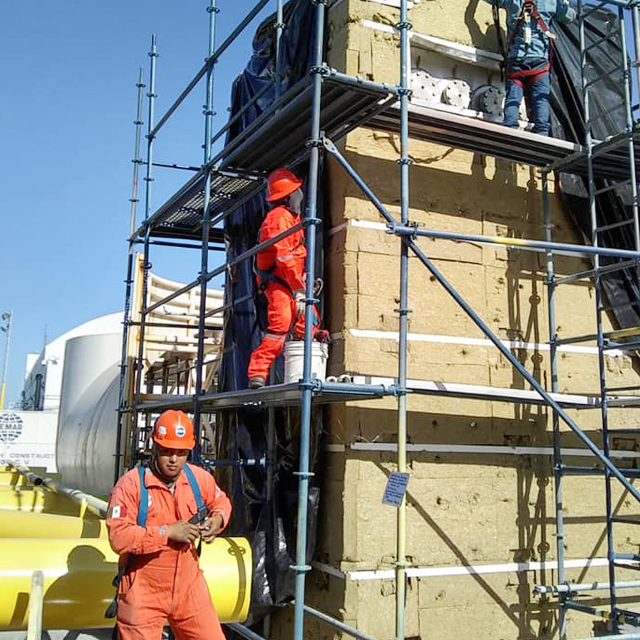
United Insulation Real-World Case Studies
United Insulation's rock wool insulation products have delivered proven results worldwide. For instance:
- In U.S. projects, our rock wool blankets meet rigorous FM fire safety standards.
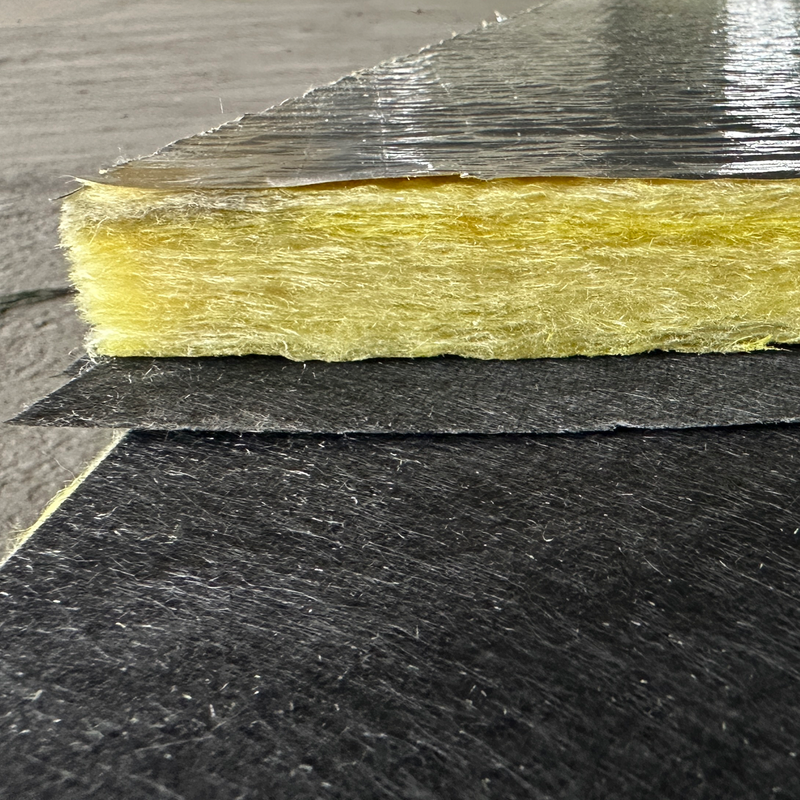
- In Australia, aluminum foil-faced rock wool blankets provide compliant energy-efficient insulation under local regulations.
Practical Tips for 2025 Compliance
- Assess External Wall Insulation Quickly: Use regional codes and online calculators to determine the required insulation thickness for target U-values.
- Prioritize Non-Combustible Materials: Fire safety standards will tighten further—opt for A1-rated rock wool insulation.
- Focus on System Compatibility: Choose solutions that prevent thermal bridges and moisture issues in ventilated or composite systems.
Conclusion
The evolving 2025 global energy efficiency policies bring both challenges and opportunities for the construction industry. Selecting premium rock wool insulation and eco-friendly materials gives you a competitive advantage, ensuring compliance while achieving substantial energy savings and sustainability goals.

What are the biggest energy-saving priorities or insulation challenges in your region? Feel free to share in the comments!
Looking for glass wool insulation or rock wool insulation export details? Visit https://www.unitedinsulation.com anytime.
Next Issue Preview: Rock Wool vs. Glass Wool—How to Choose the Most Sustainable Insulation Material for Your Project.
Thank you for reading. Together, let's shape the future of sustainable architecture.
United Insulation Team info@unitedinsulation.cn
Related Blog
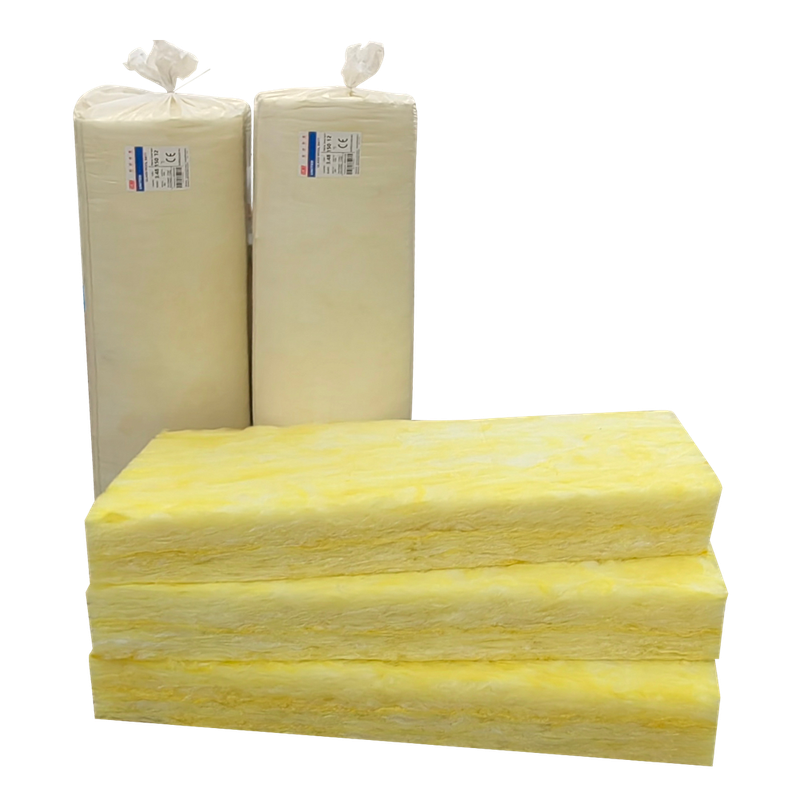
United Insulation's complete range of glass wool products has formally achieved the CodeMark certification by New Zealand and Australia and is the first glass wool manufacturer in China to gain this certificate

United Insulation Officially Passes ISO 9001, ISO 14001 and ISO 45001 International Management System Certifications, Achieving Highest Global Standards in Quality Management
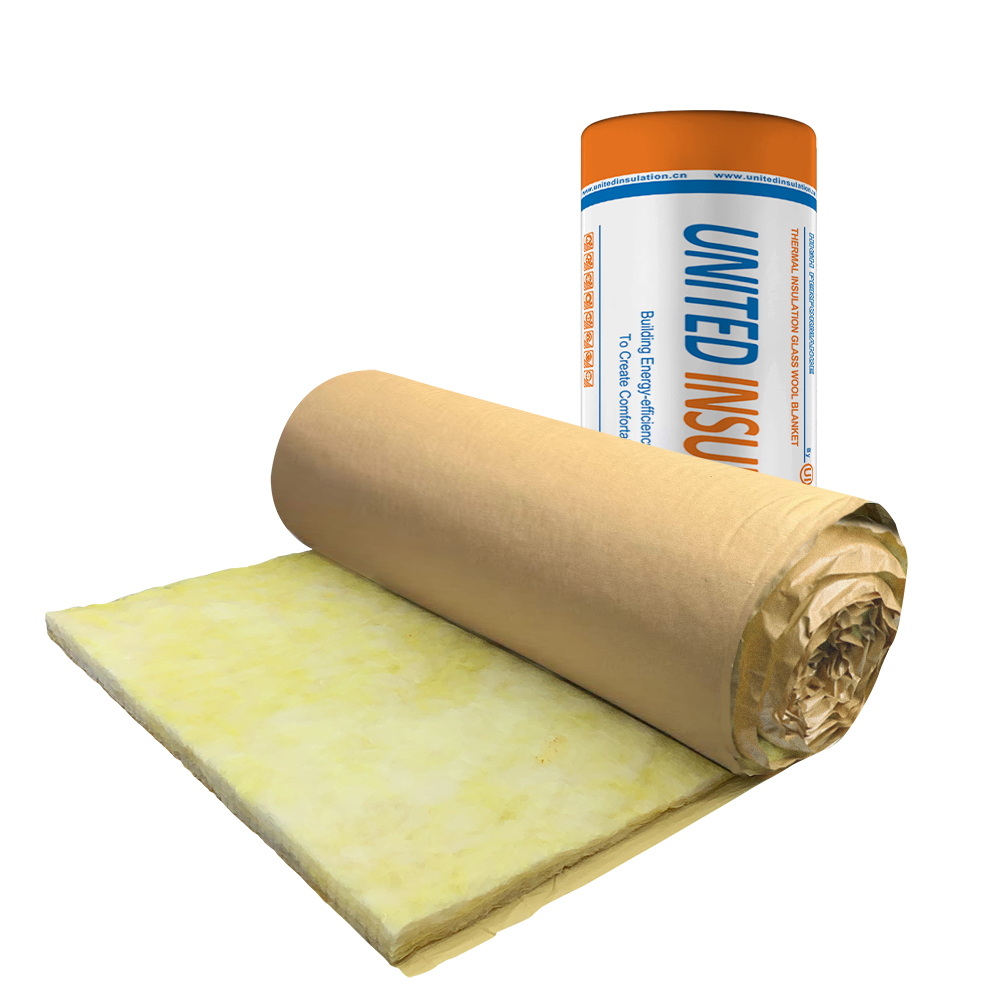
United Insulation Glass Wool products have passed the Malaysian SIRIM QAS certification and fully entered the ASEAN high-end building market
United Insulation glass wool is certified by UL Greenguard and Greenguard Gold for providing healthier and more sustainable building material solutions for the global market
United Insulation Glass Wool Products officially passed the Korean KS certification and gained international recognition for their quality
United Insulation Glass Wool and Rock Wool Products Officially Receive USGBC Certification, Becoming China's First Supplier of Full-Line Insulation Materials to Contribute High Scores to LEED v4.1 Qualifications
United Insulation's entire range of glass wool products has passed the precise thermal conductivity certification of SGS. Measured λ values are as low as 0.034 W/(m·K), ranking its thermal performance among the top in the world
United Insulation's complete range of glass wool products has formally achieved the CodeMark certification by New Zealand and Australia and is the first glass wool manufacturer in China to gain this certificate
United Insulation Officially Passes ISO 9001, ISO 14001 and ISO 45001 International Management System Certifications, Achieving Highest Global Standards in Quality Management
United Insulation Glass Wool products have passed the Malaysian SIRIM QAS certification and fully entered the ASEAN high-end building market
United Insulation glass wool is certified by UL Greenguard and Greenguard Gold for providing healthier and more sustainable building material solutions for the global market
United Insulation Glass Wool Products officially passed the Korean KS certification and gained international recognition for their quality
United Insulation Glass Wool and Rock Wool Products Officially Receive USGBC Certification, Becoming China's First Supplier of Full-Line Insulation Materials to Contribute High Scores to LEED v4.1 Qualifications
United Insulation's entire range of glass wool products has passed the precise thermal conductivity certification of SGS. Measured λ values are as low as 0.034 W/(m·K), ranking its thermal performance among the top in the world
contact us