


Guide to Selecting R-Values for Insulation in Different Climate Zones: How to Match Glass Wool and Rock Wool to Energy Efficiency Needs
2026-04-20
In the case of conserving energy globally, as well as reducing emissions, insulating buildings is one way of minimizing the amount of energy consumed. The R-value or thermal resistance value forms the basis for determining the level of effectiveness of the insulation. In other words, the greater the value of the R-value, the more effective the insulation of the material is. A proper choice of the R-value makes it possible to make maximum use of the energy conservation capabilities of glass wool and rock wool, which allows building owners to save between 10 percent and 30 percent of HVAC energy usage per year.
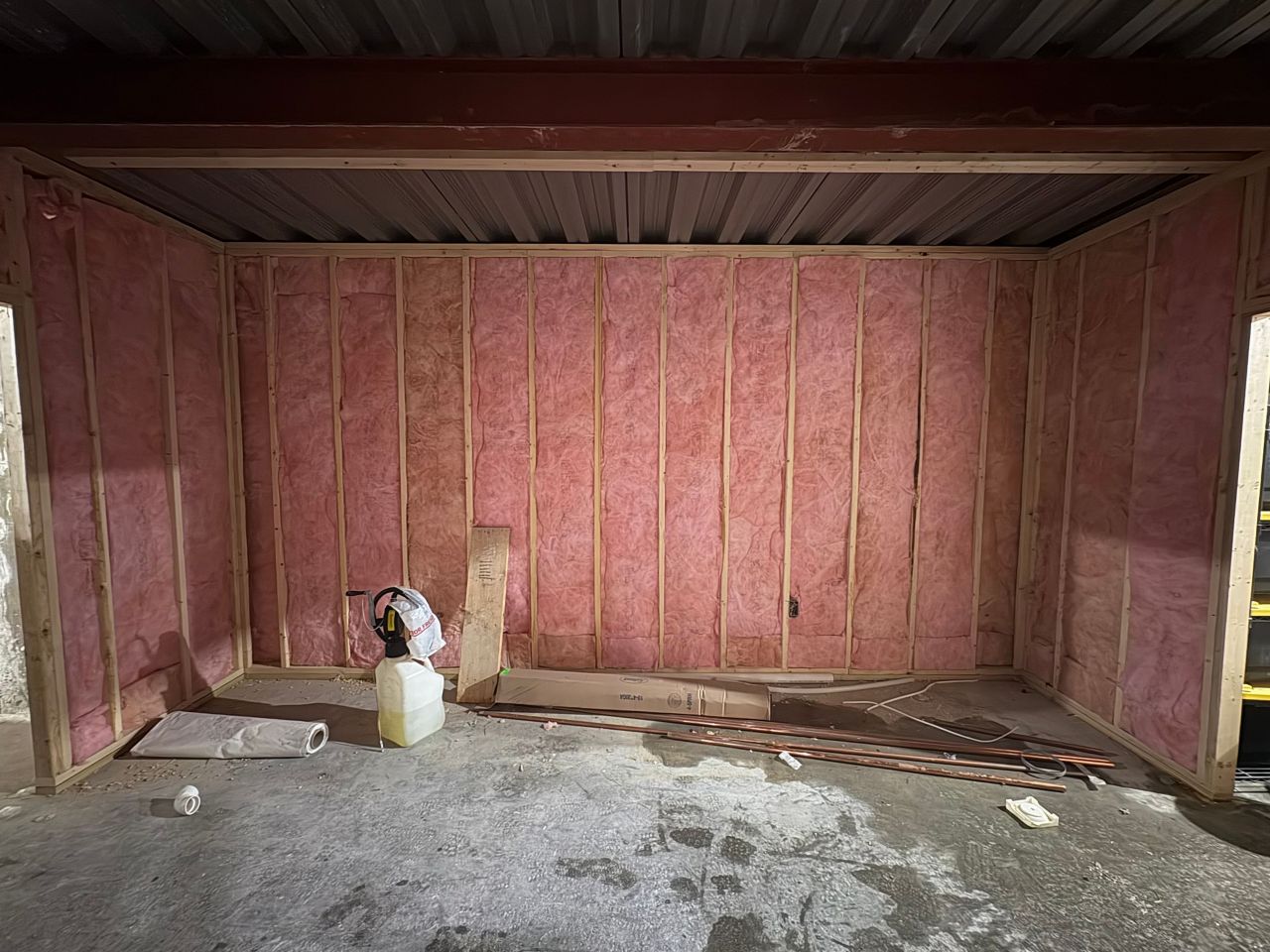
What is R-value? How do you determine R-value appropriate for your building?
R-value = Thickness of material (m) ÷ Thermal conductivity (W/m·K). The thermal conductivity of glass wool is 0.032–0.040 W/m·K, while that of rock wool is 0.033-0.045 W/m·K. The two perform similarly, although their thicknesses and densities would determine their ultimate R-values. Classification of Climate Zones in China is based on "Thermal Design Code for Civil Buildings", broadly categorized into five climate zones: Extremely Cold Zone, Cold Zone, Hot Summer and Cold Winter Zone, Hot Summer and Warm Winter Zone, and Mild Zone.
For extremely cold and cold climates (e.g., Northeast China and North China), it is suggested that R-values for walls be ≥ 3.5 m²·K/W and those for roofs ≥ 5.0 m²·K/W. For hot summers and cold winters (e.g., Yangtze River Basin), R-values for walls be ≥ 2.5 m²·K/W and those for roofs ≥ 3.5 m²·K/W. For hot summers and warm winters (e.g., South China), protection from heat becomes the priority, with R-values for walls ≥ 2.0 m²·K/W and those for roofs ≥ 3.0 m²·K/W.
Comparing Glass Wool and Rock Wool: The Optimal Choice for Various Climate Zones
The light and pliable nature of glass wool makes it ideal for ceiling applications within households, filling light steel keels, and lining metal structures. In regions where winters are particularly harsh, glass wool with a thickness of 100-150mm can easily reach a thermal resistance of R3.5 or more in a short time and at low costs. Moreover, the ability of glass wool to absorb sounds adds to its advantages. On the other hand, rock wool is heavier and offers fire resistance rating of Class A, making it a good choice for exterior insulation of walls in warm summers and cold winters or severely cold climate zones. This type of insulation performs better in commercial structures and high-rise houses that require higher resistance to weather conditions.
Case Studies in Practice: In one case of a residential complex located in a cold region of North China, the use of 120mm thick UET glass wool with vapor barrier resulted in savings of 22% of energy consumed for heating during winter months. In another case study, an industrial building located in a hot summer and warm winter region of South China opted for rock wool sandwich panels, which brought about savings of 18% in summer cooling loads.
Practical Tips on Material Choice and Installation
First, you need to review the R-values required for your specific climate zone and then select thickness based on the table of material parameters. Glass wool is appropriate for indoor use and for buildings constructed of metal, whereas rock wool will be more applicable for external walls and humid environments (rock wool has greater water resistance rates). Install in combination with a vapor barrier and moisture barrier film. It’s recommended to opt for high-quality material only; for instance, from the series of glass wool and rock wool at www.unitedinsulation.com.
The reason that through scientific calculation of the R-value, glass wool and rock wool can not only achieve energy savings but also greatly improve building comfort and economic efficiency is that the two materials should be used according to professional design and local climatic conditions.
Questions that May Arise During the Consultation Process
1. How does R-value differ from U-value? Which parameter should be considered the most critical?
R-value indicates thermal resistance (the higher value, the better); U-value is heat transmission coefficient (the lower value, the better). It is known that R-value is reciprocal to U-value. Both parameters can be found in building regulations on saving energy, but R-value is easier to use in practice.
2. Between the two types of insulation materials, which material’s R-value decreases more slowly?
Both types are able to maintain their very low R-value decreasing (<5%/10 years) only if properly installed. Rock wool maintains stability in the presence of moisture or compression due to high density; glass wool is good at dry climates. It all depends on how you install the insulation moisture-resistantly.
3. What’s the fastest way to find out the R-value of my house?
Check local energy-saving design codes for buildings or simply use an online R-value calculator, where you’ll need to enter your city’s climate zone, building structure (house/building), and location of insulation (wall/roof). Manufacturers can provide you with free consultations and test samples.
The choice of appropriate R-value will help you dress yourself with a smart coat that will help you save energy. Visit www.unitedinsulation.com to find out more details about the parameters of glass wool and rock wool products and receive tailored solutions!
Related Blog
Which R insulation is best?
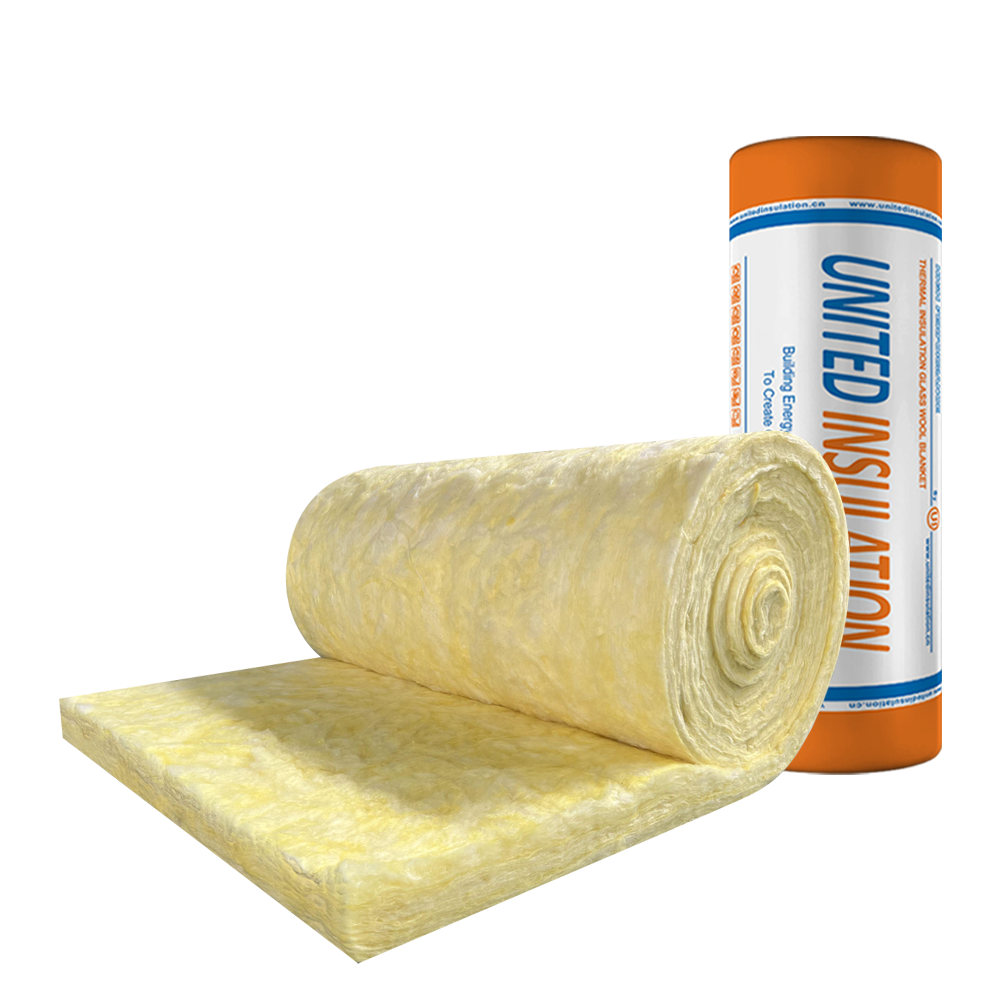
United Insulation Successfully Exports High-Performance Glass Wool Rolls to Myanmar, Deepening its Core Southeast Asian Market Footprint
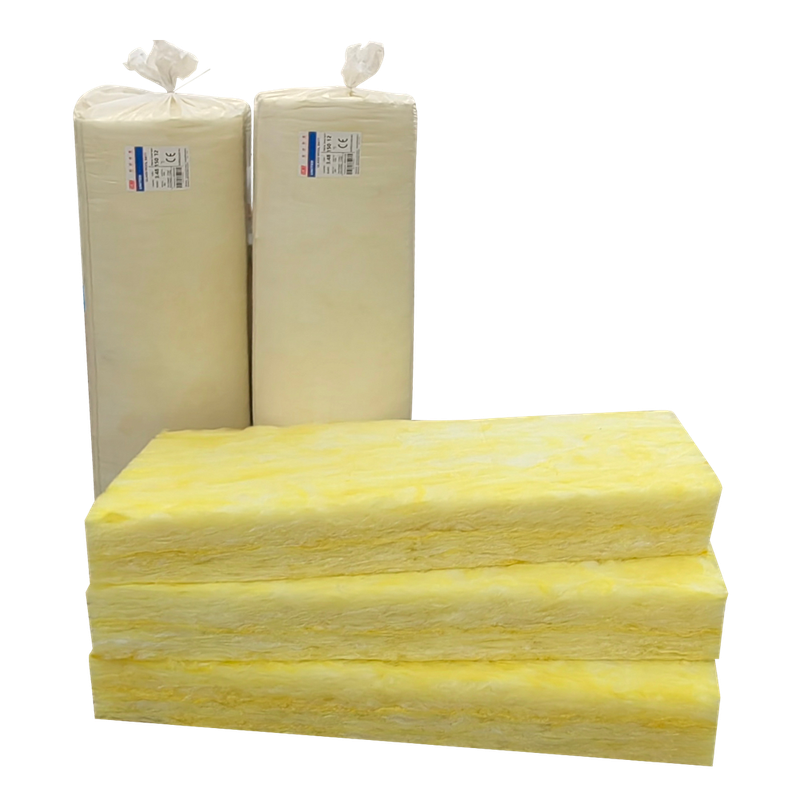
What is another name for glass wool?
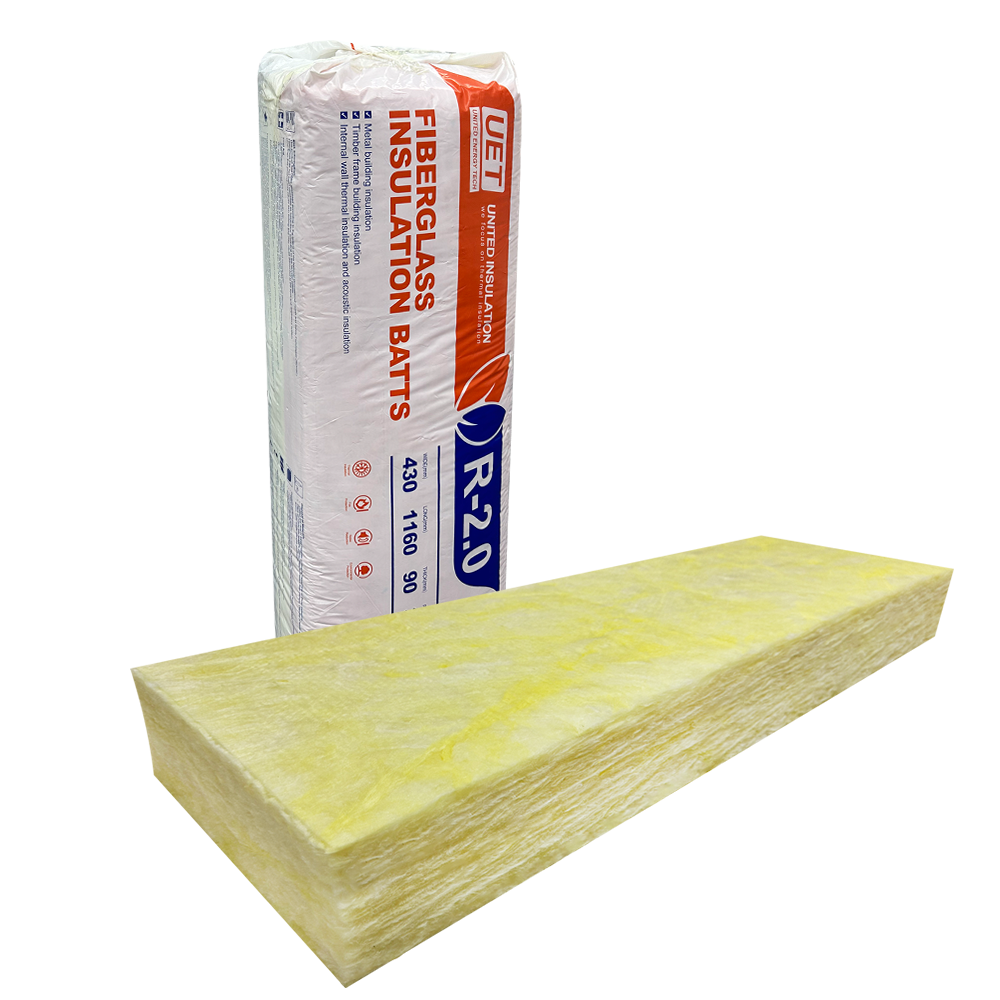
United Insulation Successfully Exports High-Performance Glass Wool to Nigeria, Deepening its Core African Market Footprint
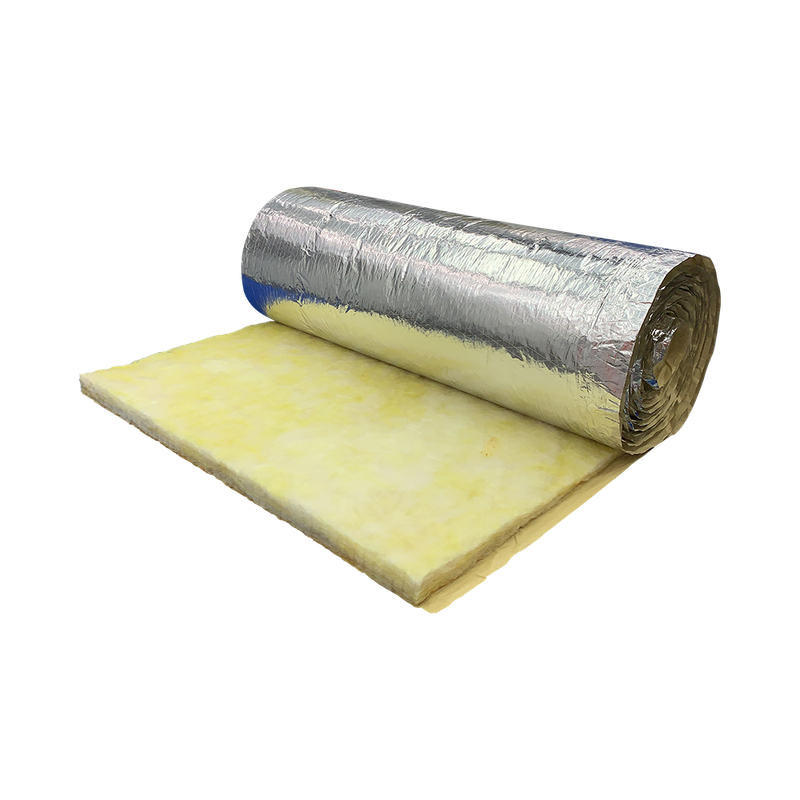
Is R6 better than R4 insulation? best batt insulation best thermal insulation cheap fiberglass insulation R6 vs R4
Which R insulation is best?
United Insulation Successfully Exports High-Performance Glass Wool Rolls to Myanmar, Deepening its Core Southeast Asian Market Footprint
What is another name for glass wool?
United Insulation Successfully Exports High-Performance Glass Wool to Nigeria, Deepening its Core African Market Footprint
Is R6 better than R4 insulation? best batt insulation best thermal insulation cheap fiberglass insulation R6 vs R4
contact us